Complex processes. Clearer workflows.
These four journeys show up again and again in operations-heavy companies: estimates, agreements, tracking, and a portal so each role sees the same status. They are design examples of how we shape custom software — not a packaged SaaS you buy off a price list, and not a claim that we already shipped this exact product to a named client.
If your process looks like one of these, we can bound a first slice. If it does not, we start from your flow instead of forcing it into this list.
Estimates
What breaks today
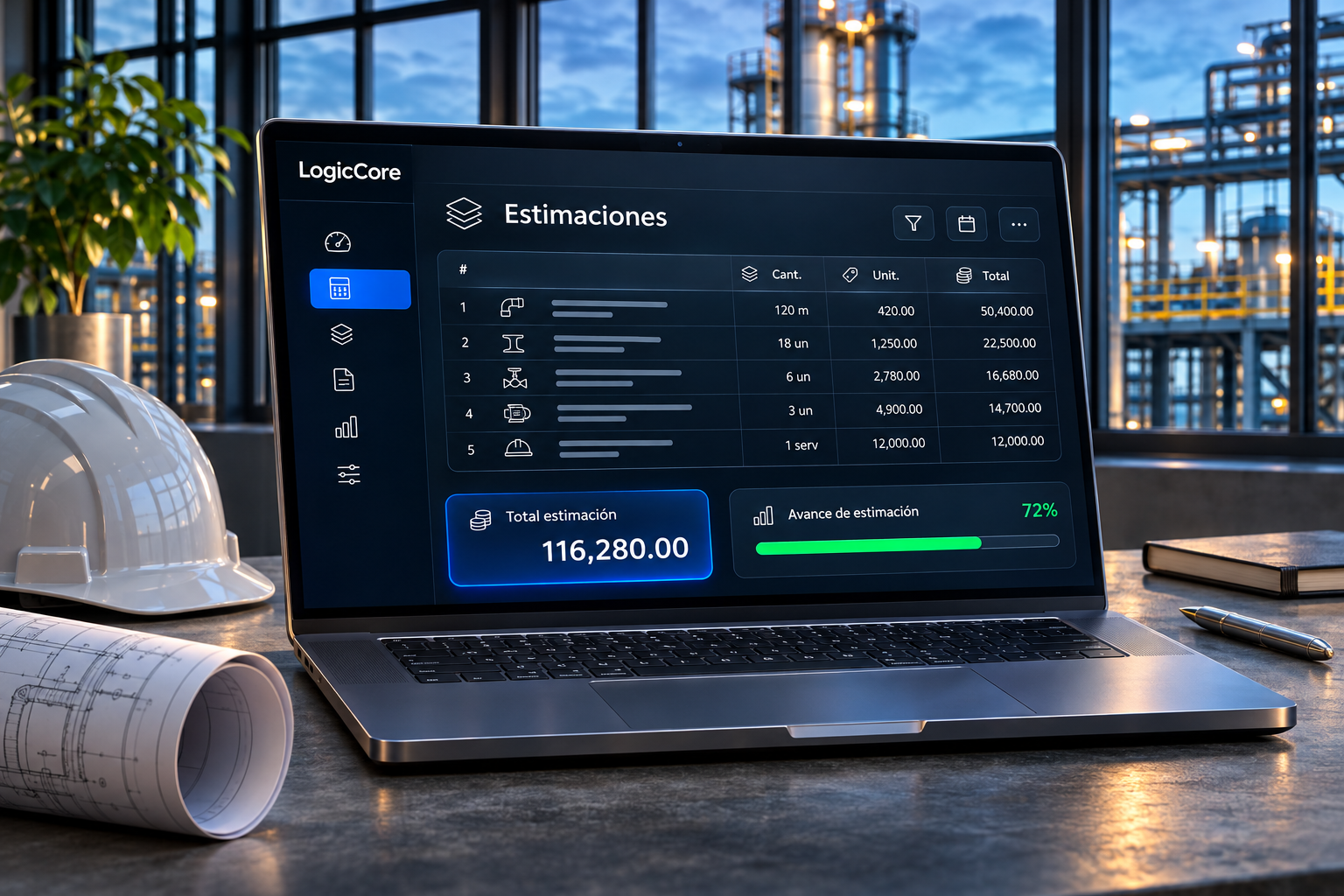
Line items live in spreadsheets, the commercial conversation happens in email, and every stakeholder has a different version of the number. A change in scope means rebuilding the quote by hand.
What we would design
A workspace to assemble, version, and share an estimate with the people who must approve it. History stays with the document so you can see what changed and why, without pretending this is a full CPQ suite on day one.
What changes in the work
Fewer round-trips over numbers that keep moving. The team argues about the work, not about which file is current.
Contracts
What breaks today
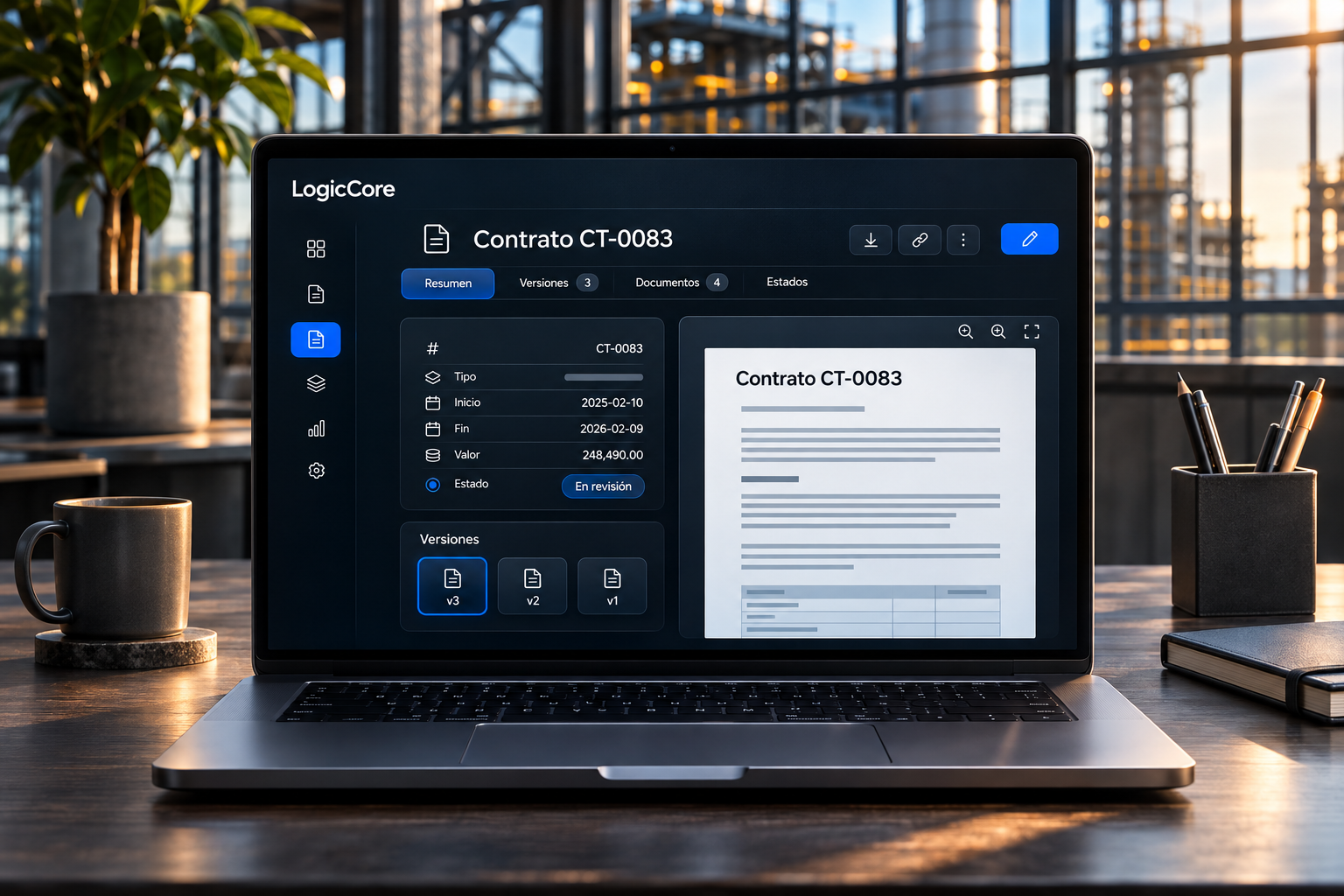
The signed PDF sits in a folder. Scope, exceptions, and acceptance criteria are remembered by whoever was in the meeting. When delivery starts, nobody can point to the same agreement.
What we would design
A flow to draft, review, and keep an acceptance trail next to the work — who agreed, to what, and when. It is a controlled record, not a substitute for your law firm.
What changes in the work
The people who execute can see the scope they are held to. Change requests have a place to live instead of another inbox pile.
Tracking
What breaks today
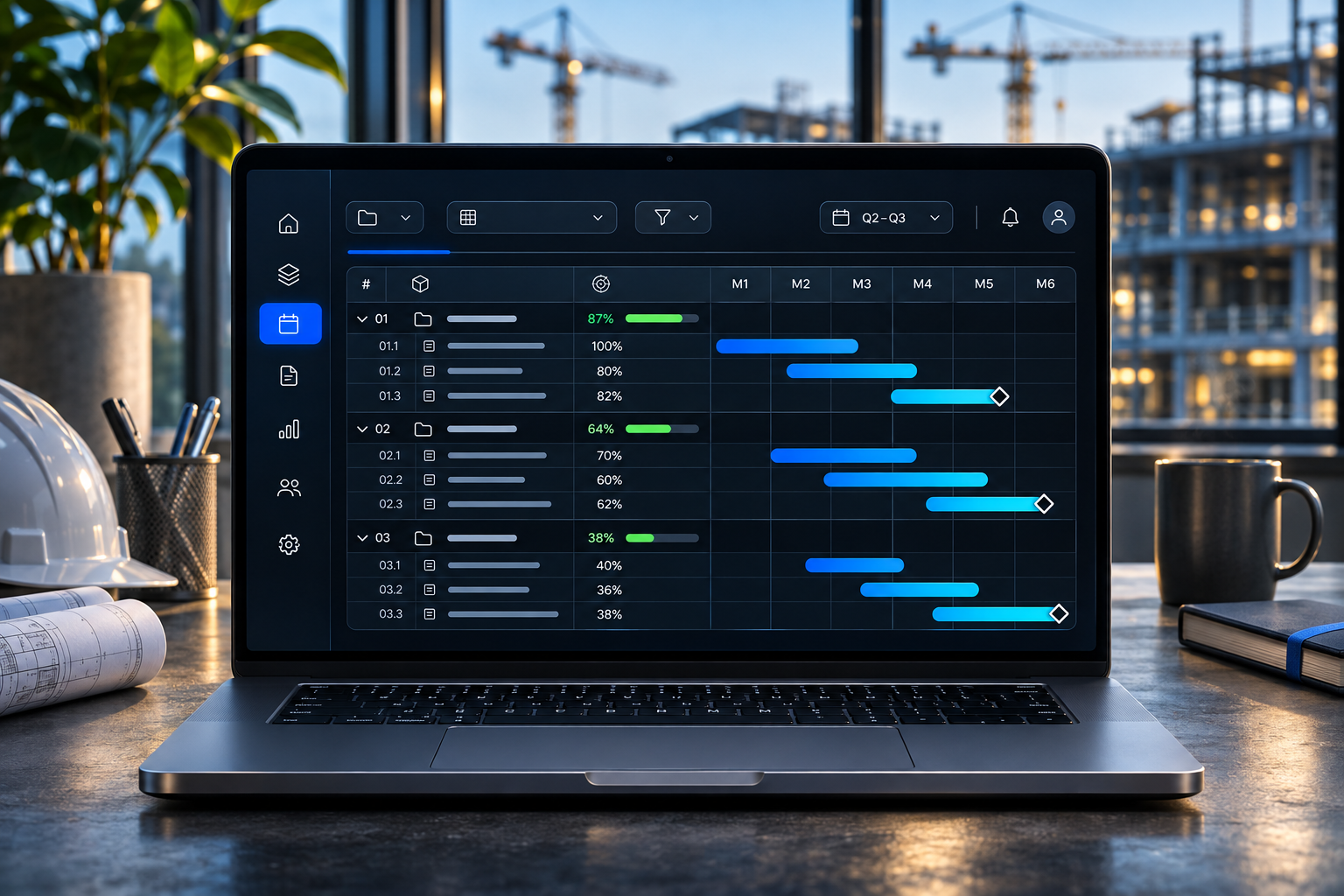
Milestones, owners, and blockers live in chat threads. Status is reconstructed every time leadership or a client asks. Two people can give two honest answers that still contradict.
What we would design
Shared statuses, dates, and owners in one view the team already uses. We do not dress this up as a full ERP: it is the operational picture you need to stop reconstructing progress by hand.
What changes in the work
A common picture of what is in flight, what is waiting, and who owns the next move.
Portals
What breaks today
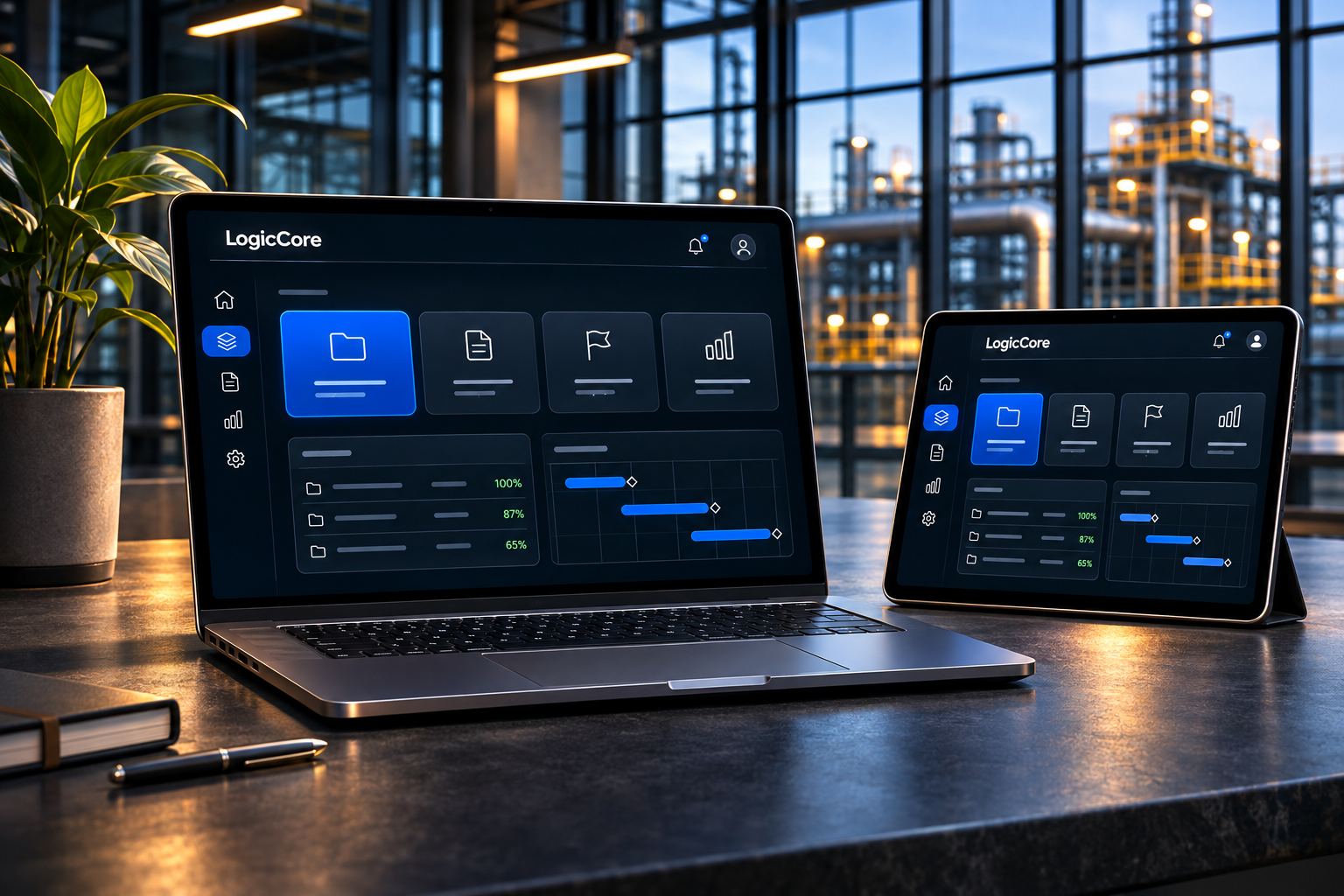
The client only sees what someone remembered to paste into an email. Internal tools are too raw to share. Support becomes a status desk.
What we would design
A controlled window into what can be published for each role — client, operations, leadership — with the same language of status. Permissions are designed, not hoped for.
What changes in the work
Less mail asking “where are we?” Clients see what they are allowed to see. The internal team stops being the glue.
Do you recognize your operations in one of these flows?
Tell us about the process. These examples are not a packaged offer.